
 EN
EN
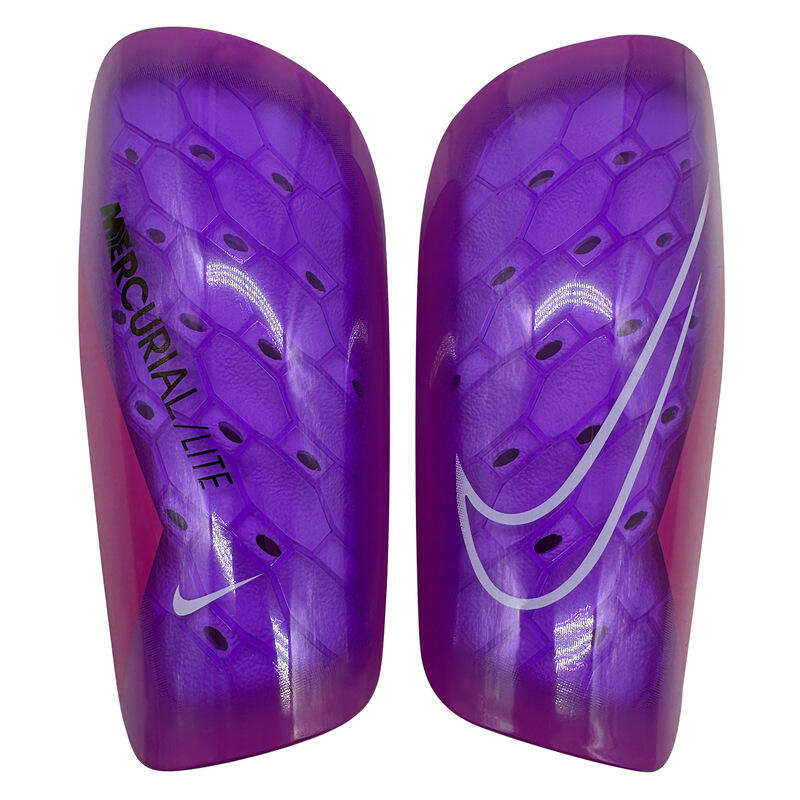
Shin guards are essential gear in many sports where the legs and not least the players’ feet need to be protected. One of the most important things about shin guards is how thick they are. Thickness can determine how well the shin guards keep a limb out of harm’s way, but also how comfortable they feel to the wearer. Mengrui, a brand specialized in creating strong and intelligent sports gear knows this. Just the right thickness can help players evade injury and play better, but whether the shin guard is too thick or too thin, they can cause problems. Let's take a closer look at how shin guard thickness impacts the trade-off between protection and comfort, and what level of thickness is ideal for different sports.
The Impact of Shin Guard Thickness on Comfort and Protection in Wholesale Sports Gear
A big factor in how much protection a shin guard offers is how thick it is. Thicker shins guards are generally going to provide better protection because they have more material to take the hits and absorb the shocks. For instance, in sports such as hockey or rugby, players routinely experience hard hits by sticks or other players. Thick shin guard pads from Mengrui help prevent injuries by working as a firm shield. Thick shin guards may be heavy, however, and can impede movement. This can be guaranteed to make two-a-side players uncomfortable, especially if they require speed or changes of direction. It’s like wearing too much on your legs, which could potentially slow you down or take your mind off the game. Thinner shin guards, on the other hand, are more lightweight and less clunky for long periods of time. They let you move, better, and don’t make you sweat. But thinner guards were not likely to absorb heavy impacts very well, which meant that players might get hurt more often. Mengrui’s example illustrates the delicate balance between protection and comfort that is necessary. As such, some people do not desire the thickest of guards; they would rather have thinner, faster, more flexible guards, especially in sports that require speed. Elements of comfort aren’t merely about thickness, but how the shin guard is built and what materials it incorporates. “There are all these sex products in the market that are amazing but not necessarily made for men who have a lot of physical issues and deal with atrophy, incontinence or surgeries, Mengrui’s products marry smart designs with good materials to aid players in feeling safe without being weighed down. You have some players that want to play as long as they can in the game safely without pain, so there has to be not just safety standards but comfort. So how protected and also comfortable that player feels depends partly on the thickness, and Mengrui’s gear aims to satisfy both requirements thoughtfully.
Best Shin Guard Thickness For Different Sports Performance
Various sports require different styles of shin guards because players’ movement and the types of hits they receive vary so much. For instance, soccer players often require a slimmer shin guard than the one used in hockey. Soccer players do a lot of running, and they need to be quick on the move, so a shin guard that is too thick can slow them down or be irritating. Mengrui’s slim soccer shin guards, meant to safeguard against kicks or unintentional blows. Balls and sticks in sports such as field hockey can whack the legs fiercely, so shin guards are somewhat thicker than soccer guards but aren’t nearly as heavy duty as those used for rugby. This middle density allows players to remain protected while not losing much speed. Thicker and tougher shin guards must be worn in rugby and ice hockey. Players in these sports get walloped regularly, so Mengrui produces shin guards with ample padding and hard shells to absorb those hits. Although heavier, these guards are designed to prevent serious injury for players. Some sports, including martial arts or indoor volleyball, require extremely lightweight or even no shin guards, depending on rules and concerns. For these cases, Mengrui also helps by making various thicknesses, so athletes can feel prepared and safe. It’s not just about thickness, but also shape and fit. A shin guard that’s too thick or clunky can slip off or interfere with play. Mengrui designs all of its products to fit a sport well, so players do not have to be distracted by their gear. In conclusion, the right shin guard thickness ultimately comes down to what type of sport you compete in and how much protection you need without sacrificing comfort or speed. As Mengrui’s extensive line of shin guard sleeves demonstrates, not every player can squeeze into a single size, and the thickness that players choose to wear on their legs allows them do their best work in the field.
Impact Of Variation In Shin Guard Thickness - Effects On Situation Agility And Lower Extremity Protection
Shin guards are crucial equipment for a variety of sports. They also factor in protecting players’ legs from getting hurt. One thing that has a big impact on how well shin guards work is their thickness. Thickness is simply how wide or heavy the shin guard feels. A thick shin guard can block hard hits better. Which is to say, should someone kick or collide with a player’s leg, they are less likely to get injured. For instance, in sports such as soccer or hockey, athletes might endure strong blows. It’s there to protect their shins from bruises or even broken bones, and the thicker the shin guard, the more protection it offers.
But if the shin guard is too bulky, it could slow the player down or make it more difficult to move. This is not because thick guards can be heavy and resist bending. Thick shin guards may slow players down when they need to run fast or change direction quickly. Thinner shin guards, however, are lighter and allow players to have as much movement as possible. This is great for sports that require speed and agility, such as running or field hockey. But thinner guards may not do as good a job of protecting from hard hits.
At Mengrui, we know that ideally: protection and light in the name of performance. That is why we produce shin guards in various thicknesses. It will allow the players to select a proper thickness in order to receive good protection as well as being able to move fast. Coaches and players should consider how much hitting is required in their sport, and how essential speed is. Then they can choose shin guards that, you know, enable them to play their best and stay safe out there on the field or court.
Bulk Shin Guards for Contact vs Non-Contact Sports
When you purchase shin guards wholesale, it’s crucial to consider which sport they’ll be used for. Sports fall into two large categories: contact sports and non contact sports. Contact sports are games where players frequently bump, hit, or tackle each other. Soccer, hockey and rugby are cases in point. Players in these sports are very well protected, since they can be hit hard. So, generally they need to be thicker and stronger for contact sports. They should offer more coverage of the leg and use durable materials to prevent injuries.
Non-contact sports, on the other hand, are games where players don’t hit each other very, or at all. True, sports such as running, basketball or tennis tend to involve fewer hits. In these sports, the shin guards do not have to be as thick or heavy. Instead they should have a light wear ease. This promotes a lighter feeling without being weighed down. Others are thinner and softer, but still provide some protection from small bumps and falls.
For people who purchase shin guards at a larger scale, like stores or sports teams, it’s good to understand that difference. Mengrui has a variety of shin guards to meet your contact and non-contact sports needs. In this way, buyers can choose the proper kind and thickness of shin guards to sell or give to players. The right shin guard can keep players safe and performing at their best, regardless of the sport they play.
Wholesale Shin Guards How To Choose The Best Thickness
Wholesale purchasers have a big responsibility when they select shin guards for several players or customers. They must seek out the shin guards that will work for many sports, and for many players. One of the first things they should focus on is the thickness of the shin guard. To choose the right shin guard thickness, shoppers have to consider what sports their customers play. Thick shin guards for tough hits Some sports require really thick shin guards for large hits. Some need skinny shin guards for speedy footwork. Mengrui takes the guesswork out of buying because we offer several different thicknesses to cover these demand.
Buyers also should ask who will use the custom shin guards. Is it young children, teens, adults? For younger players, they may simply want shin guards which are light and comfortable to wear. Because the hits can be so much harder, adults may want more protection. Mengrui’s shin guards are available in various sizes and thicknesses to accommodate all ages and skill levels.
It is also beneficial to review the contents. High-quality material can turn otherwise thin shin guards into very protective ones without being too heavy. Mengrui relies on robust, lightweight materials to keep players protected and in motion. Shoppers can browse product details or consult with Mengrui’s experts to discover the right products.
Finally, wholesale shoppers should consider pricing and quality. One must find shin guards that are cheap but also of acceptable quality when it comes to protecting players. Mengrui has high cost performance, which is of good quality and not expensive. This is what enables buyers to get the very best products for their customers and enables players to be able to go out there and enjoy their sports without fear of injury. By keeping an eye on thickness, materials, user needs and price, wholesale buyers can select the best shin guards for a wide variety of sports and players.
Table of Contents
- The Impact of Shin Guard Thickness on Comfort and Protection in Wholesale Sports Gear
- Best Shin Guard Thickness For Different Sports Performance
- Impact Of Variation In Shin Guard Thickness - Effects On Situation Agility And Lower Extremity Protection
- Bulk Shin Guards for Contact vs Non-Contact Sports
- Wholesale Shin Guards How To Choose The Best Thickness